How to Choose the Right Roofing Material for Your Home Jun 13, 2026
Begin by assessing the climate of your region. Different roofing materials perform better in certain weather conditions. For instance, asphalt shingles are a popular choice due to their durability and affordability, making them a good fit for various climates. However, if you live in a particularly hot area, you might consider clay or concrete tiles, known for their excellent thermal properties and ability to withstand high temperatures.
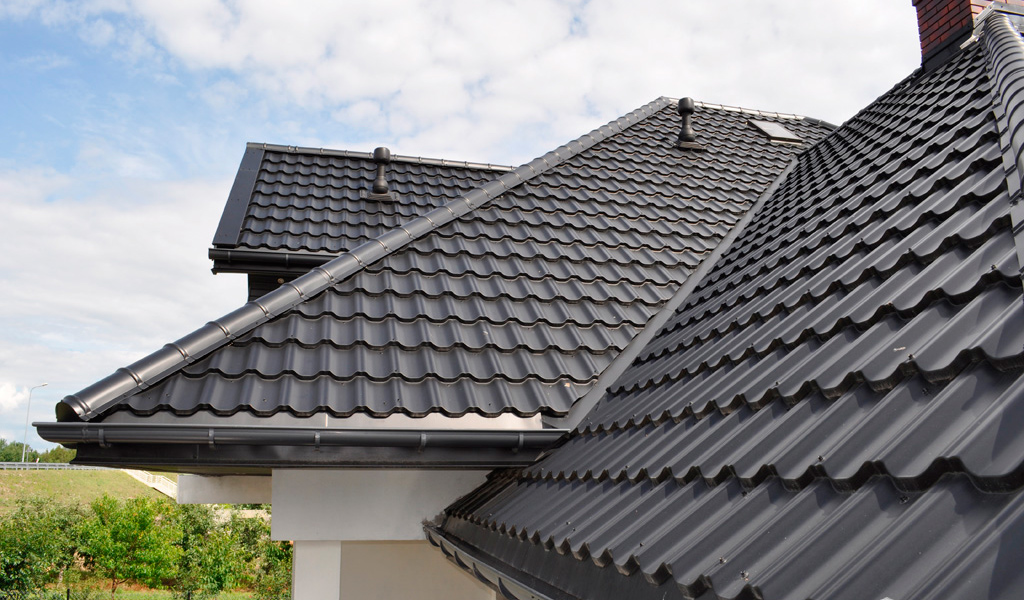
Let's discuss aesthetics and architectural compatibility next. Your roofing material should complement the architectural style of your home. Metal roofing options, which are available in aluminum, copper, and steel, provide sleek lines that enhance modern designs, while wood shingles or shakes add rustic charm ideal for cottages and traditional styles. Consider how each material's appearance will blend with your home's exterior features.
It’s equally important to evaluate lifespan and maintenance requirements. Are you willing to invest time in regular upkeep, or do you prefer a low-maintenance option? For instance, slate is one of the longest-lasting roofing materials available, often lasting over a century, but it requires professional installation and maintenance. On the other hand, asphalt shingles might need to be replaced more frequently but require little maintenance.
Budget is, understandably, a significant aspect of any roofing decision. While it's tempting to choose the cheapest option, it’s vital to weigh initial costs against longevity and maintenance expenses. Metal roofing, though more expensive upfront, lasts significantly longer than traditional asphalt shingles, potentially offering better value over time. Always consider total cost of ownership rather than just the initial price.
Energy efficiency also plays a critical role in modern roofing choices. Residential metal roofs can reflect solar radiant heat, which can reduce cooling costs by up to 25%. Similarly, cool roofs, designed with reflective materials, can provide significant energy savings, making them worth considering if energy efficiency is a top priority for your household.
Lastly, check with local building codes and guidelines. Some areas have restrictions on certain types of materials due to fire risk, historical preservation, or environmental concerns. For example, wood shakes may have limitations in fire-prone areas, so ensuring compliance with local regulations is essential before making your final decision.
In conclusion, selecting the right roofing material for your home involves a delicate balance of aesthetics, practicality, and budget considerations. By evaluating your specific needs and consulting with an expert roofing contractor like Olson & Sons Contracting, you can make an informed choice that enhances and protects your home for many years. Investing time in research and professional advice ensures that your new roof will not only add value to your property but also give you peace of mind, knowing you have made a sound investment in your future.
/filters:no_upscale()/filters:format(webp)/media/588c96ab-97e4-4f91-b211-f3dd20f8b1a4.png)