The Olson & Sons Guide to Eco-Friendly Roofing Solutions Jul 08, 2026
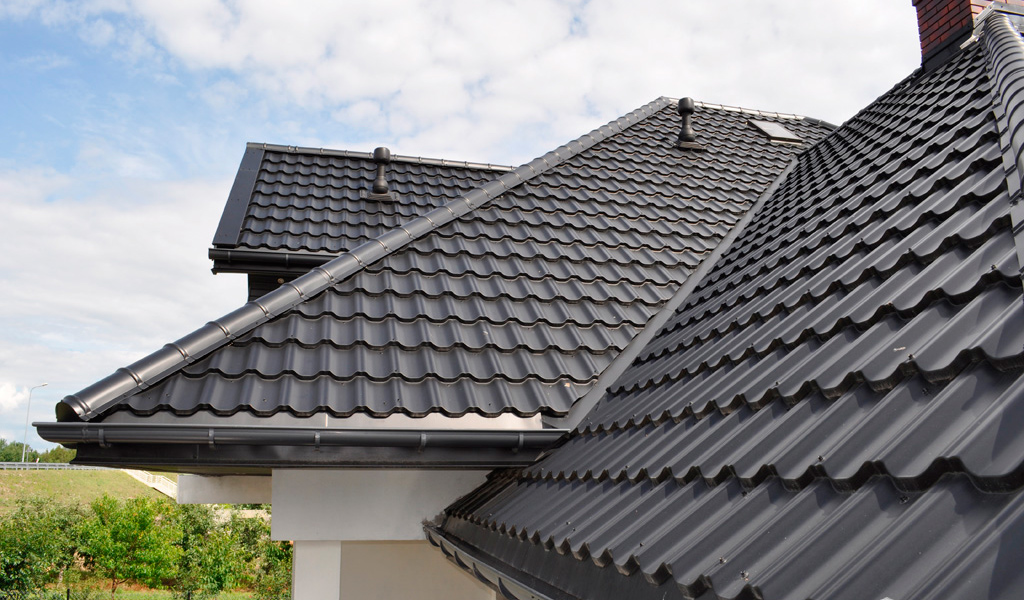
Choosing an eco-friendly roofing system begins with selecting the right materials. Metal roofs are a popular choice due to their durability and recyclability. Made from materials like steel or aluminum, metal roofs reflect sunlight effectively, reducing cooling costs in warmer months. Furthermore, once a metal roof reaches the end of its life, it can be fully recycled, minimizing landfill waste.
Another sustainable option is the use of clay or concrete tiles. These materials are derived from natural resources and offer excellent insulation properties. Their thermal mass capability means they can absorb heat during the day and slowly release it at night, maintaining a comfortable indoor temperature. Although heavier than other materials, the longevity and energy efficiency of clay and concrete tiles make them a worthy investment.
For those looking for a more natural aesthetic, wood shingles may be appealing as they are biodegradable and sourced from natural resources. However, it’s important to ensure that the wood is sourced sustainably and treated to prevent issues like rot and insect damage. Cedar wood is a common choice because of its resistance to decay, provided it is sourced responsibly from certified suppliers.
Innovations in roofing technology have also led to the development of green roofs, a modern solution with numerous ecological benefits. A green roof involves installing a layer of vegetation over a roofing membrane, which not only improves insulation but also reduces stormwater runoff. This system greatly contributes to urban biodiversity while enhancing air quality. Green roofs can also prolong the lifespan of the underlying materials by protecting them from extreme weather conditions.
In addition to selecting sustainable materials, incorporating energy-efficient features into your roofing design is essential. The addition of solar panels is a strategic way to harness renewable energy, potentially reducing or even eliminating your electricity bills. Solar shingles are a newer option that seamlessly integrates into the roof's design while providing the benefits of traditional solar panels.
Reflective coatings are another innovative addition; these materials can significantly lower surface heat, thereby reducing the need for air conditioning. In urban areas, where buildings contribute to heat islands, reflective roofs are particularly beneficial in mitigating these effects.
Before you choose an eco-friendly roofing option, consider local climate conditions, roof design, and overall budget. Consulting with professionals, like those at Olson & Sons Contracting, ensures that you weigh these factors appropriately. Their expertise can guide you in selecting the optimal eco-friendly solution tailored to your home’s unique needs.
In conclusion, eco-friendly roofing is an investment in the future, contributing to energy efficiency, reduced waste, and a healthier environment. By choosing sustainable materials and incorporating advanced technology, homeowners can significantly reduce their carbon footprint while enjoying the economic benefits of lower energy bills and increased home value. At Olson & Sons Contracting, we are dedicated to helping you navigate this process and achieve a roofing solution that aligns with both your environmental and practical goals.
/filters:no_upscale()/filters:format(webp)/media/588c96ab-97e4-4f91-b211-f3dd20f8b1a4.png)